Why Classic Truck Values Are Climbing Faster Than Cars in 2026
C10s, F-100s, and Advance Design Chevys are outpacing classic car appreciation in 2026. Here is what is driving the surge, which trucks are leading it, and what owners and buyers need to know before they price, insure, or finance one.

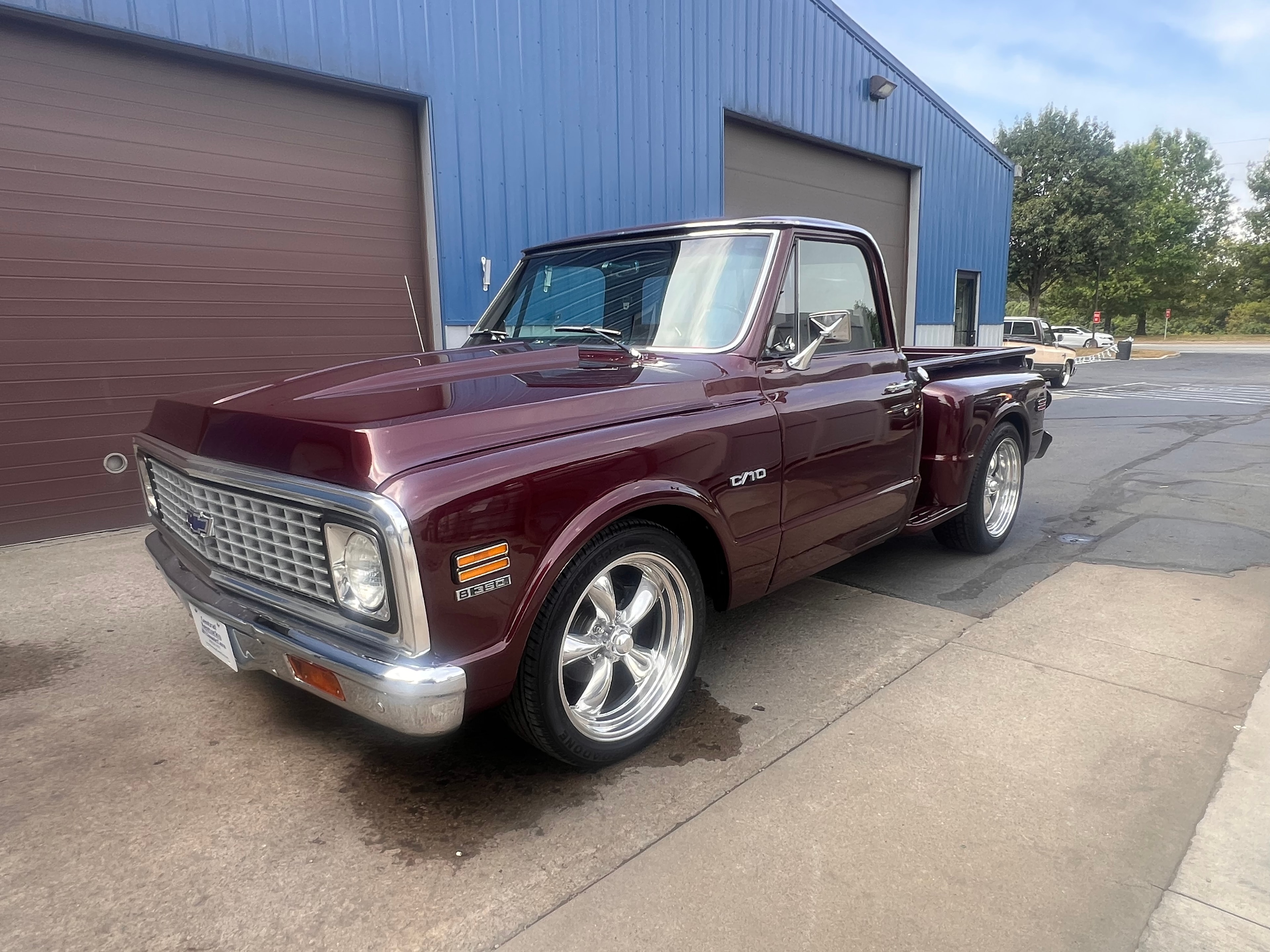
Walk any major car show in 2026 and you will notice something that would have seemed strange a decade ago: the trucks are drawing bigger crowds than the muscle cars. A clean 1967 Chevy C10 with a restomod drivetrain is commanding the same attention — and increasingly the same money — as a first-gen Camaro parked three spots down. That is not a coincidence. Classic truck values have been climbing steadily for several years, and in 2026 the appreciation rate on the most desirable models is outpacing comparable classic cars.
If you own a collectible truck, are thinking about buying one, or hold an insurance policy written two or three years ago, this matters. Here is what is driving the market and what it means for owners.
The numbers behind the trend
Classic car market data from 2024 and 2025 showed broad appreciation across the collector vehicle segment, but trucks consistently outperformed the average. The Hagerty Price Guide and auction results from Barrett-Jackson, Mecum, and Bring a Trailer all tell the same story: clean, documented examples of the most popular classic truck nameplates are selling at prices that would have seemed aggressive just a few years ago.
The C10 market is the clearest example. A #2-condition 1967–1972 Chevy C10 short-bed fleetside that might have sold for $28,000–$35,000 in 2021 is regularly clearing $45,000–$60,000 at auction in 2025–2026 for comparable examples. Restomod builds with LS swaps, air ride, and modern interiors are pushing well past $80,000 for quality work. The Ford F-100 from the same era has followed a nearly identical trajectory.
What is driving the surge
Several forces are converging at once.
The demographic shift is real. The buyers who grew up watching their fathers and grandfathers drive these trucks are now in their peak earning years. For a large segment of the collector market, a 1969 C10 or a 1956 F-100 carries the same emotional weight that a 1969 Camaro SS carries for a different buyer. That demand is not going away — it is growing as more buyers enter the market.
Trucks are more usable than most classic cars. A restomod C10 with a modern suspension, disc brakes, and an LS engine is genuinely drivable every day. It can haul something. It can tow a small trailer. It fits in a normal parking space. Classic cars, particularly low-slung muscle cars, often require more care and accommodation. Trucks offer the collector experience with more practical utility, and that combination appeals to a broader buyer pool.
The supply of clean, original examples is shrinking. Classic trucks were working vehicles. They were used hard, modified for utility, and often not preserved the way a show car would be. Finding a rust-free, numbers-matching example with original sheet metal is genuinely difficult in most of the country. Scarcity drives value, and the scarcity of truly original trucks is only increasing.
The restomod market has legitimized the segment. High-profile builders — SEMA award winners, magazine features, television builds — have elevated the perception of classic trucks from "old work truck" to "serious collector vehicle." That perception shift has pulled in buyers who previously focused exclusively on muscle cars and sports cars.
Insurance and financing have followed the money. Agreed-value policies and collector vehicle financing are now widely available for classic trucks, which was not always the case. When institutional money treats a vehicle class as a legitimate collectible, retail buyers follow.
Which trucks are leading the market
Not all classic trucks are appreciating equally. The market is concentrated in a handful of nameplates and generations.
Chevy/GMC C10 (1967–1972). The Action Line generation is the undisputed leader of the classic truck market. The clean styling, wide availability of parts, and enormous aftermarket support make these trucks the easiest to build and the easiest to sell. Short-bed fleetside configurations command a premium over long-bed and stepside variants, though all configurations have appreciated.
Chevy Advance Design (1947–1955). The earlier generation has a devoted following and a distinct aesthetic. Five-window cab configurations are particularly sought after. Values have been climbing steadily, though the market is smaller and more specialized than the Action Line.
Ford F-100 (1953–1956 and 1957–1966). The shoebox-era F-100 and the subsequent unibody generation both have strong collector followings. The 1953–1956 trucks have a classic proportioned look that photographs exceptionally well, which matters in an era when most collector vehicles are first discovered online.
Ford F-100 (1967–1972). The twin-I-beam era trucks have benefited directly from the C10's rising profile. Buyers who cannot find or afford a clean C10 are increasingly looking at comparable F-100s, which has pulled that market up in parallel.
Dodge Power Wagon and D-series. The four-wheel-drive market has its own dynamics, and the Power Wagon name carries significant brand equity. Clean examples are increasingly rare and increasingly expensive.
What this means if you own one
If you own a classic truck and your insurance policy was written more than two years ago, there is a reasonable chance your agreed value is below current market. Insurance companies do not automatically update agreed values — that is the owner's responsibility. A policy written at $35,000 on a truck now worth $55,000 means you are self-insuring the difference in the event of a total loss.
The same issue applies to estate planning. If a classic truck is part of an estate and the valuation used for probate or tax purposes is based on an old appraisal or a rough estimate, the estate may be exposed to IRS scrutiny or disputes among heirs.
For buyers, the rising market means that due diligence matters more than it did when prices were lower. A $20,000 mistake on a $25,000 truck is devastating. The same mistake on a $60,000 truck is still devastating, but the absolute dollar exposure is higher and the likelihood of encountering misrepresented trucks increases as values rise. Sellers have more incentive to overstate condition, originality, or option content when the spread between a #1 and a #3 condition truck is $30,000.
What appraisers look for on classic trucks
Classic truck appraisals follow the same USPAP-compliant methodology as any other collector vehicle, but there are a few areas where trucks require specific attention.
Cab corners and floor pans. These are the first places rust takes hold on a working truck, and they are also the easiest places to hide a poor repair behind carpet or undercoating. A thorough appraisal includes inspection of these areas, not just a visual walk-around.
Frame condition. Trucks were loaded, towed, and sometimes abused in ways that passenger cars were not. Frame cracks, repairs, and modifications affect structural integrity and value.
Bed authenticity. Bed floors, bed sides, and tailgates are frequently replaced on trucks that were used for work. An original bed floor on a 1969 C10 is a genuine value-add. A replacement bed that has been dressed up to look original is not.
Engine and drivetrain documentation. Numbers-matching matters on trucks just as it does on muscle cars, though the market is somewhat more tolerant of documented engine swaps — particularly LS conversions — than the muscle car market is. The key word is documented. A clean, professionally executed LS swap with proper documentation is a known quantity. An undocumented swap with unknown mileage and unknown history is a liability.
Title history. Trucks that spent time as commercial vehicles, farm equipment, or fleet vehicles may have title histories that affect insurability or financing eligibility. A clean title history on a truck that was clearly a show vehicle or a garage queen is a meaningful premium.
When to get an appraisal
There are four situations where a certified appraisal on a classic truck is not optional — it is essential.
Before insuring. Agreed-value policies require a documented value. An appraisal gives you and your insurer a defensible number that protects you in the event of a claim.
Before buying. A pre-purchase inspection and appraisal on a truck you are considering purchasing is the single most effective way to avoid an expensive mistake. The cost of an appraisal is trivial compared to the cost of discovering hidden rust, a misrepresented engine, or a flood history after the sale is complete.
Before selling. Knowing what your truck is actually worth — not what you hope it is worth, and not what a similar truck sold for at auction in a different condition — gives you a defensible asking price and protects you from leaving money on the table.
For estate and tax purposes. If a classic truck is part of an estate, a USPAP-compliant appraisal establishing fair market value as of the date of death is required for IRS Form 706 and for equitable distribution among heirs.
Classic truck values are not a bubble. The demographic demand is real, the supply of quality examples is genuinely constrained, and the cultural moment for these vehicles is not going away. If you own one, make sure your documentation — title, service history, build records, and appraisal — reflects what you actually have. If you are buying one, do not skip the inspection.
American Classic Appraisals provides certified USPAP-compliant appraisals on classic trucks nationwide, including pre-purchase inspections, insurance appraisals, estate valuations, and bank financing appraisals. Same-day desktop appraisals from $149. Get your appraisal today.
Frequently Asked Questions
Are classic truck values still rising in 2026?
Yes. The most desirable nameplates — particularly the 1967–1972 Chevy C10 and comparable Ford F-100s — have continued to appreciate in 2026. Auction results and private sale data both confirm that clean, documented examples are selling at prices that outpace comparable classic car appreciation.
Which classic trucks are worth the most right now?
The 1967–1972 Chevy C10 short-bed fleetside leads the market in terms of volume and price appreciation. The Ford F-100 from the same era is a close second. Earlier Advance Design Chevys and the Power Wagon have devoted followings with strong values in their respective niches.
How do I know if my classic truck is underinsured?
If your agreed-value policy was written more than two years ago and you have not had the truck reappraised, there is a reasonable chance the insured value is below current market. Get a current certified appraisal and compare it to your policy's agreed value. If there is a significant gap, contact your insurer to update the policy.
Does a restomod truck appraise differently than a stock truck?
Yes. A restomod is appraised on its own merits — the quality of the build, the components used, the documentation of the work, and comparable restomod sales. A numbers-matching original truck is appraised against original-condition comparables. The two markets overlap but are not identical, and a good appraiser understands the distinction.
Do I need an appraisal to get a bank loan on a classic truck?
Most lenders who offer collector vehicle financing require a certified appraisal as part of the loan application. The appraisal establishes the collateral value the lender is lending against. American Classic Appraisals provides bank-ready appraisal reports accepted by major collector vehicle lenders.
How much does a classic truck appraisal cost?
American Classic Appraisals offers certified desktop appraisals starting at $149, with same-day turnaround in most cases. On-site inspections are available nationwide. Contact us for pricing on pre-purchase inspections and estate appraisals.
Explore Topics
Written by
Shawn Owens, ASCAA-CERT-4246
Content creator and writer sharing insights and stories.