Mustang Appraisal Guide: What Your 1964½–1973 Mustang, Shelby, Mach 1, or Boss Is Actually Worth
The first-generation Mustang is the most-produced American collector car in history — which means the market is deep, the fakes are plentiful, and the value differences between a real Shelby GT500 and a clone are measured in six figures. Here is what drives Mustang value, what appraisers verify, and why documentation is everything on a first-gen.
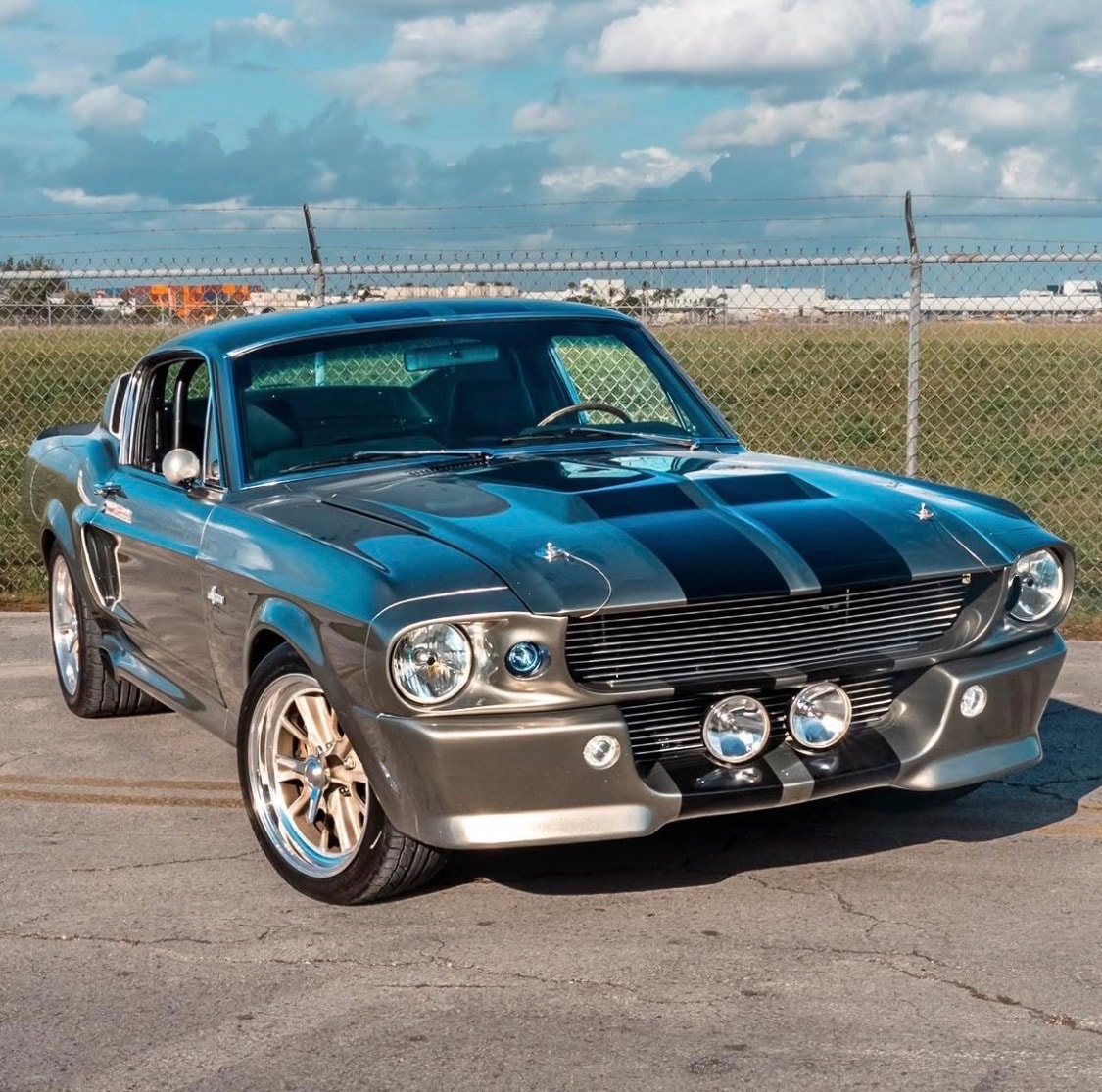
More first-generation Mustangs were built than any other American collector car. That volume is both the appeal and the problem. The deep market means there are always buyers and always comparable sales to reference. The volume also means there are more clones, tribute cars, and misrepresented examples than in any other segment of the collector market.
A real 1969 Boss 429 and a 428 Cobra Jet Mach 1 with Boss 429 cosmetics applied are both "1969 Mustangs." One is worth $120,000. The other is worth $35,000. The difference is documentation — and a certified appraiser who knows what to look for.
What drives first-generation Mustang value
Four factors determine where a first-gen Mustang lands in the market:
Engine. The engine is the single biggest value driver. A 289 Hi-Po, a 390, a 428 Cobra Jet, a 428 Super Cobra Jet, a Boss 302, a Boss 429 — each represents a different tier of the market. The difference between a base 200 six-cylinder and a numbers-matching 428 SCJ can be $80,000 or more on the same year and body style.
Body style. Fastbacks command premiums over coupes, which command premiums over convertibles on most years. The 1965–1966 fastback is the most desirable body style of the early cars. The 1969–1970 SportsRoof is the most desirable of the late first-gen cars.
Marti Report. The Marti Auto Works report is the definitive production documentation for 1967–1973 Mustangs. It pulls directly from Ford's production database and confirms exactly what the car left the factory with — engine, transmission, paint, options, and production sequence. A Marti Report is not optional on any high-value first-gen Mustang. If a seller doesn't have one and won't get one, that's a red flag.
Authenticity. The clone problem is real. Shelby clones, Boss 429 clones, Mach 1 clones, and Cobra Jet clones are everywhere. A certified appraiser verifies the VIN decode, the door tag, the Marti Report, and the engine stampings to confirm what the car actually is.
1964½–1966: The early cars
The earliest Mustangs — the April 1964 production cars that Ford called 1964½ and the full 1965 and 1966 model years — are the most historically significant and, for the right examples, the most valuable of the non-Shelby first-gens.
1964½ (April–August 1964): The first Mustangs off the line. The 1964½ designation is a collector convention, not a Ford designation — Ford called them all 1965s. The early cars have specific features (generator instead of alternator, different gauges) that distinguish them from the later 1965 production. Documented early production cars carry a premium.
1965–1966 Hi-Po 289: The K-code 289 High Performance engine is the most desirable non-Shelby powerplant of the early cars. A numbers-matching K-code fastback is a serious collector car. Verify the engine stampings — K-code engines were frequently swapped out.
1965–1966 Shelby GT350: The original Shelby Mustangs were built from fastbacks pulled off the San Jose assembly line and modified by Shelby American in Los Angeles. The GT350 is a legitimate race car made street-legal. Authenticity verification is critical — the Shelby American Automobile Club (SAAC) registry is the definitive reference. A documented, SAAC-registered GT350 is worth $150,000–$300,000 depending on condition and history. A clone is worth $30,000–$50,000.
What to document: For early cars, the door data plate and VIN decode. For K-code cars, engine stampings. For Shelbys, SAAC registry documentation and the Shelby serial number plate.
1967–1968: The big-block years
Ford introduced the 390 FE big block in 1967, giving the Mustang genuine muscle car credentials for the first time. The 1967–1968 cars are the most visually distinctive of the first generation — wider body, more aggressive styling, and available in configurations that range from grocery-getter to genuine performance car.
1967–1968 390 GT: The 390-powered GT is the entry point for big-block first-gen values. Solid collector car, strong demand, but not in the same tier as the 428 cars.
1968 428 Cobra Jet: The 428 CJ arrived mid-1968 and immediately became the performance benchmark. The CJ was underrated at 335 hp from the factory — actual output was closer to 400 hp. A documented 1968 428 CJ fastback is a $60,000–$90,000 car in good condition.
1967–1968 Shelby GT500: The GT500 with the 428 Police Interceptor engine is the most powerful Shelby of the era. The 1967 GT500 is particularly desirable — it's the car that Eleanor was based on in Gone in 60 Seconds, which has permanently elevated its cultural profile. SAAC documentation is essential.
What to document: Marti Report (1967–1968). Engine stampings. For Shelbys, SAAC registry and Shelby serial number. For 428 CJ cars, the "R" suffix on the VIN.
1969–1970: The performance peak
The 1969–1970 Mustangs represent the peak of first-generation performance. The SportsRoof body style is the most aggressive design Ford produced, and the Boss 302, Boss 429, and 428 SCJ options put these cars in genuine supercar territory.
1969–1970 Mach 1: The Mach 1 was Ford's performance trim package — hood scoops, stripes, and available with every performance engine. A 428 SCJ Mach 1 is a $70,000–$100,000 car. A base 351 Mach 1 is a $25,000–$40,000 car. The engine is everything.
1969–1970 Boss 302: Built to homologate the engine for Trans-Am racing, the Boss 302 is one of the finest-handling Mustangs ever built. Production was 1,628 in 1969 and 7,013 in 1970. Values range from $60,000 to $100,000+ for documented, numbers-matching examples. Verify the engine stampings — Boss 302 engines were frequently replaced with 302s from other sources.
1969 Boss 429: The rarest and most valuable non-Shelby first-gen Mustang. Built to homologate the 429 NASCAR engine, the Boss 429 required significant front-end modifications to fit the engine. Only 859 were built in 1969. A documented, numbers-matching 1969 Boss 429 is a $100,000–$150,000 car. Verify the KK (Kar Kraft) modification number — each car was individually numbered during the conversion process.
1969–1970 428 Super Cobra Jet: The drag-pack option added a Traction-Lok differential, engine oil cooler, and revised pistons. The SCJ is worth meaningfully more than a standard CJ. The "R" code in the VIN confirms the 428 CJ; the drag-pack option is confirmed via the Marti Report.
What to document: Marti Report is essential. Engine stampings. For Boss 429, the KK modification number. For Shelbys, SAAC registry. Broadcast sheet if it survives.
1971–1973: The last first-gens
The 1971–1973 cars are the largest and heaviest first-generation Mustangs. Values are generally lower than the 1969–1970 cars, with exceptions for the performance variants.
1971 Boss 351: The final Boss Mustang. Only 1,806 were built. The 351 Cleveland HO engine is one of the best Ford performance engines of the era. Values have been rising as collectors recognize the Boss 351's significance as the last of the line.
1971–1973 Mach 1 with 429 CJ or SCJ: The 429-powered Mach 1s are the most valuable 1971–1973 Mustangs. Low production and serious performance credentials.
1973 convertible: The last convertible Mustang until 1983. Last-year significance and convertible premium combine to make the 1973 ragtop a collector car regardless of engine.
What to document: Marti Report. For Boss 351, engine stampings and the Boss 351 identification on the door tag.
The clone problem
No segment of the collector car market has more misrepresented cars than first-generation Mustangs. The volume of production means parts are plentiful and conversions are easy. Common misrepresentations:
- Shelby clones: GT350 and GT500 body kits applied to standard fastbacks. SAAC registry verification is the only reliable way to confirm authenticity.
- Boss 429 clones: Boss 429 hoods and cosmetics applied to standard SportsRoofs. The KK modification number and the specific front-end modifications required for the 429 are the tells.
- Cobra Jet upgrades: 390 or 351 cars with 428 CJ engines installed. The VIN R-code and Marti Report confirm factory CJ production.
- Mach 1 upgrades: Standard fastbacks with Mach 1 trim applied. The Marti Report confirms factory Mach 1 production.
A certified appraiser verifies all of this before assigning a value. A price guide cannot.
Getting your Mustang appraised
Our certified Mustang appraisals start at $149 for the online version. Submit photos and vehicle details — including your Marti Report if you have one, any SAAC documentation, and photos of the door tag, VIN plate, and engine stampings. We return a signed certified appraisal the same day.
We've appraised first-gen Mustangs from base coupes to documented Shelby GT500s. We know what the documentation needs to say and what the comparable sales actually show.
Start your Mustang appraisal — $149 — same-day delivery, all 50 states.
See a sample appraisal report before you order.
Explore Topics
Written by
Shawn Owens, ASCAA-CERT-4246
Content creator and writer sharing insights and stories.


