1969 Camaro Z/28 Appraisal Guide — Certified Value, Clone Detection & What to Watch For
The 1969 Camaro Z/28 is one of the most cloned and most valuable first-generation Camaros. A certified appraisal examines the cowl tag, partial VIN stamp, DZ 302 block casting, and comparable sales — not a book value range. Here's what it looks at and what your car is worth.
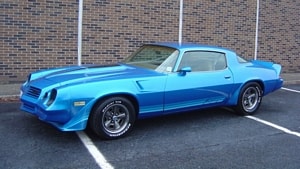
The 1969 Camaro Z/28 was built for one purpose: to qualify the DZ 302 small-block for SCCA Trans-Am racing. Chevrolet built 20,302 of them that year — a number that sounds large until you realize how many thousands of base Camaros have been converted to Z/28 specification in the decades since. A genuine, numbers-matching 1969 Z/28 with documented provenance can sell for $80,000 to $150,000. A well-executed clone might bring $25,000 to $40,000. The gap is real, and a certified appraisal is how you close it.
What Makes a 1969 Camaro Z/28 Valuable
The Z/28 package in 1969 was RPO Z28 — a $458.15 option that included the 302 cubic inch DZ small-block (rated at 290 hp, widely understood to produce 350–375 hp), a close-ratio Muncie four-speed, front disc brakes, a heavy-duty radiator, and a specific suspension tune. It was not available with air conditioning. It was not available with an automatic transmission. These restrictions are documented and verifiable.
The DZ 302 engine. The heart of the Z/28 is the 302 cubic inch small-block — a 327 block bored to 4.000 inches with a 283 crankshaft giving a 3.00-inch stroke. The block casting number (3970010 is the most common 1969 date-code-correct casting) and the partial VIN stamp on the pad behind the passenger-side cylinder head are the primary verification points. A correct stamp in the correct location with correct font is strong evidence of an original powertrain.
Cowl tag decoding. The trim tag on the firewall encodes the build date, body color, interior color, and RPO content. A legitimate Z/28 will show RPO Z28 on the tag. It will not show M40 (Turbo-Hydramatic) or C60 (air conditioning). Discrepancies between the cowl tag and the stated configuration are red flags.
COPO and special-order cars. Some 1969 Z/28s were ordered through the Central Office Production Order system with non-standard equipment. These cars require additional documentation to verify and typically carry a premium if the COPO content is desirable.
Body and paint. The 1969 Camaro has known rust areas: the lower quarters, the trunk floor, the rocker panels, and the cowl area. Original, uncut sheetmetal in solid condition is worth more than repaired or replaced panels. Paint code verification from the cowl tag matters — a color change reduces value unless documented.
Documentation. A Protect-O-Plate, window sticker, dealer invoice, or broadcast sheet dramatically increases buyer confidence. Documentation is not required for a certified appraisal, but its presence or absence is noted and affects the value conclusion.
What a Certified Z/28 Appraisal Examines
A certified USPAP-compliant appraisal of a 1969 Camaro Z/28 is not a Hagerty guide lookup. It is a documented analysis of this specific vehicle, developed from:
Comparable sales. We pull recent auction results — Barrett-Jackson, Mecum, RM Sotheby's, Bring a Trailer — for comparable 1969 Z/28s with similar engine status, condition, and documentation. We use actual transaction prices, not book value ranges.
Condition analysis. We evaluate the vehicle against a defined condition scale — from #1 (show quality) through #4 (driver quality). The condition rating is documented and supported by the photos you submit.
Powertrain verification. From photos and documentation, we evaluate the engine stamp, block casting number, date codes on major components (carburetor, distributor, alternator), and overall powertrain presentation. We note any discrepancies between the stated configuration and the documented evidence.
Cowl tag analysis. We decode the trim tag and cross-reference the stated options against the vehicle as presented. A Z/28 without RPO Z28 on the cowl tag is a clone regardless of what the engine says.
Market adjustment. We apply adjustments for regional market conditions, current demand trends, and any documented provenance that supports or undermines the stated configuration.
The result is a signed, certified appraisal report with a specific value conclusion, supporting comparables, and the appraiser certification that insurance companies, banks, and courts require.
When You Need a Certified Z/28 Appraisal
Agreed value insurance. Hagerty, American Collectors, and other collector car insurers require a certified appraisal to establish the agreed value on a policy. A genuine numbers-matching Z/28 insured at actual cash value — without an agreed value policy backed by a certified appraisal — is dramatically underinsured. If the car is totaled, the difference can be $60,000 or more.
Before you buy. A pre-purchase appraisal on a 1969 Z/28 is one of the most valuable investments you can make before writing a check. We can evaluate the car from photos and documentation before you travel — identifying clone indicators, verifying the stated configuration, and giving you a documented value to negotiate from.
Estate and probate. If a 1969 Z/28 is part of an estate, the executor needs a certified appraisal establishing fair market value as of the date of death. A USPAP-compliant appraisal from a qualified appraiser is what probate courts and IRS Form 706 require.
Financing. JJ Best Banc, Woodside Credit, Southeast Financial Credit Union, and other collector car lenders require a certified appraisal before approving a loan on a high-value muscle car.
Selling privately or at auction. A certified appraisal gives buyers confidence and gives you documentation to support your asking price. Consignment auction houses often require or strongly prefer a current appraisal.
What a 1969 Camaro Z/28 Is Worth Right Now
Values vary significantly based on engine status, condition, and documentation. As of late 2026, here are general market ranges based on recent comparable sales:
- Numbers-matching DZ 302, #1–#2 condition, documented: $100,000–$150,000+
- Numbers-matching DZ 302, #2–#3 condition: $65,000–$95,000
- Non-matching or swapped engine, #2 condition: $30,000–$50,000
- Clone (non-Z/28 body with Z/28 equipment), #2 condition: $20,000–$35,000
- Project or driver quality, any engine, #3–#4 condition: $15,000–$28,000
These are ranges, not appraisals. Your specific car — with its specific engine stamp, cowl tag, documentation, and condition — may fall above or below these ranges. A certified appraisal establishes the specific value for your specific vehicle.
How to Order a Certified Z/28 Appraisal
Our certified online appraisal starts at $149. You submit photos and vehicle details through our online form — the process takes about 10 minutes. We deliver a signed, USPAP-compliant certified appraisal the same day in most cases.
For a pre-purchase inspection on a Z/28 you are considering buying, call us at (270) 790-7534 to discuss scope and scheduling.
Frequently Asked Questions
Can you appraise a 1969 Z/28 from photos alone?
Yes. A desktop appraisal from photos and documentation is accepted by insurance companies, banks, and courts for most purposes. For a pre-purchase inspection where you need a physical evaluation before buying, we coordinate an in-person inspection through our nationwide inspector network.
How do I tell a real Z/28 from a clone?
The primary verification points are the cowl tag (RPO Z28 must appear), the partial VIN stamp on the engine pad, and the block casting number. A certified appraiser can evaluate these from clear photos of the tag, the stamp, and the engine bay. We document discrepancies between the stated configuration and the physical evidence in the appraisal report.
What if the engine has been replaced?
A non-matching engine significantly reduces value on a 1969 Z/28. The car is still appraised on its merits — body, condition, documentation, and the value of the installed engine — but it will not command the premium of a numbers-matching car. If the original engine is available separately, that affects the analysis.
Does a Z/28 appraisal expire?
A certified appraisal establishes value as of a specific effective date. For insurance purposes, most carriers accept an appraisal that is three to five years old if the car has not been significantly modified. For estate and legal purposes, the effective date must match the required valuation date.
Do you appraise other first-gen Camaros?
Yes. We appraise all 1967–1969 Camaros — SS 396, COPO 427, COPO 396, Pace Car convertibles, and base models. The 1969 COPO 427 (L72) is among the most valuable first-gen variants we see, with documented examples selling well above $200,000 at major auctions.
Explore Topics
Written by
Shawn Owens, ASCAA-CERT-4246
Content creator and writer sharing insights and stories.

